Game engines continue to expand across industries, and fictional engines remain dominant
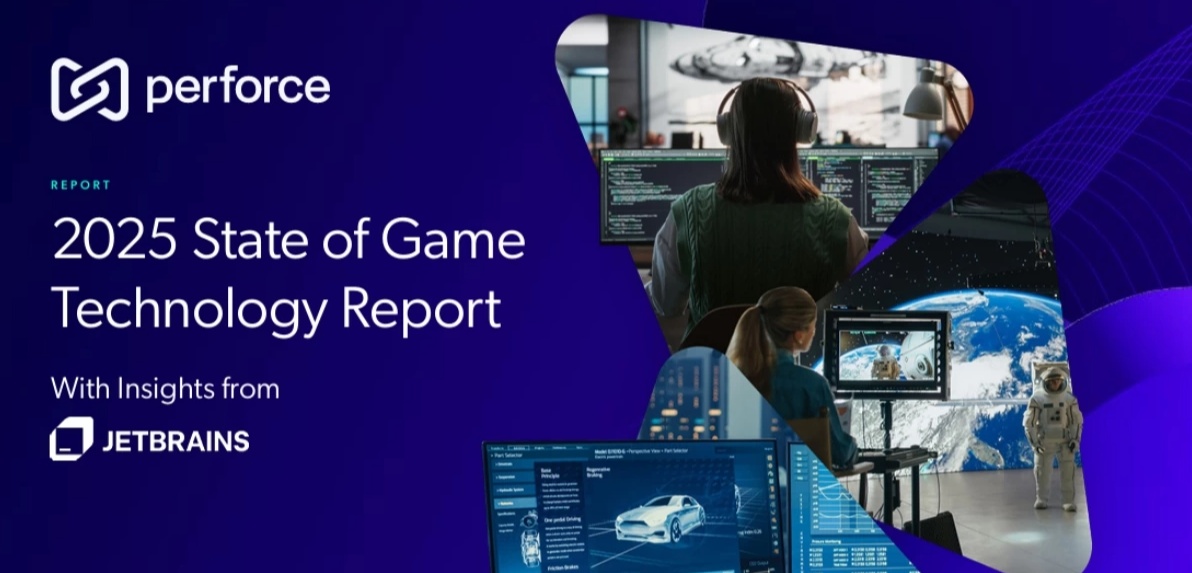
According to a report on the state of technology for the 2025 game, published jointly by Perforce and Jetbrains, inter-industry applications of the game engine are accelerating: 18 per cent of business leaders are using the game engine to develop VR/AR projects (up significantly from 4 per cent last year), 14 per cent are for visualization, simulation and 3D art creation and 12 per cent for video production.
Fantasy engines continue to lead the game engine innovation, with 65 per cent usage in 2025 (a slight increase from 63 per cent last year); Unity is second in 53 per cent use (47 per cent last year). More notable is the inter-industry penetration of the Godo engine: 15 per cent in education, 19 per cent in construction, engineering and construction, 21 per cent in automobiles and manufacturing, and an overall increase in usage of 9 per cent compared to 2024.
Perforce points out that the explosive growth of Godot stems from multiple factors, such as free authorization, ease of use and active communities, which increasingly make it an advantageous alternative to other engines.
At the same time, the report reveals that the generation of AI was transformed from experimental technology into a commercial tool within one year: Seventy per cent of respondents have integrated generated AI to work processes (65 per cent last year), of which 26 per cent are for content creation and 28 per cent for programming tasks such as code generation, review and testing.

ChatGPT is still in the position of the most mainstream-generated AI tool at 46 per cent usage, but the market has a diversified trend: Google Gemini (15 per cent), Anthropic Claude (11 per cent) and Depth (10 per cent) are being favoured with vertical area solutions. Business returns are equally significant — the IDC report shows a $3.7 return for each dollar invested, and the 2025 Townsend survey indicates that 95 per cent of professionals expect AI to be at the core of their work processes within five years.