ShareChat, India, announced the launch of a micro-sync to explore the future of short-format content and micro-synthesis
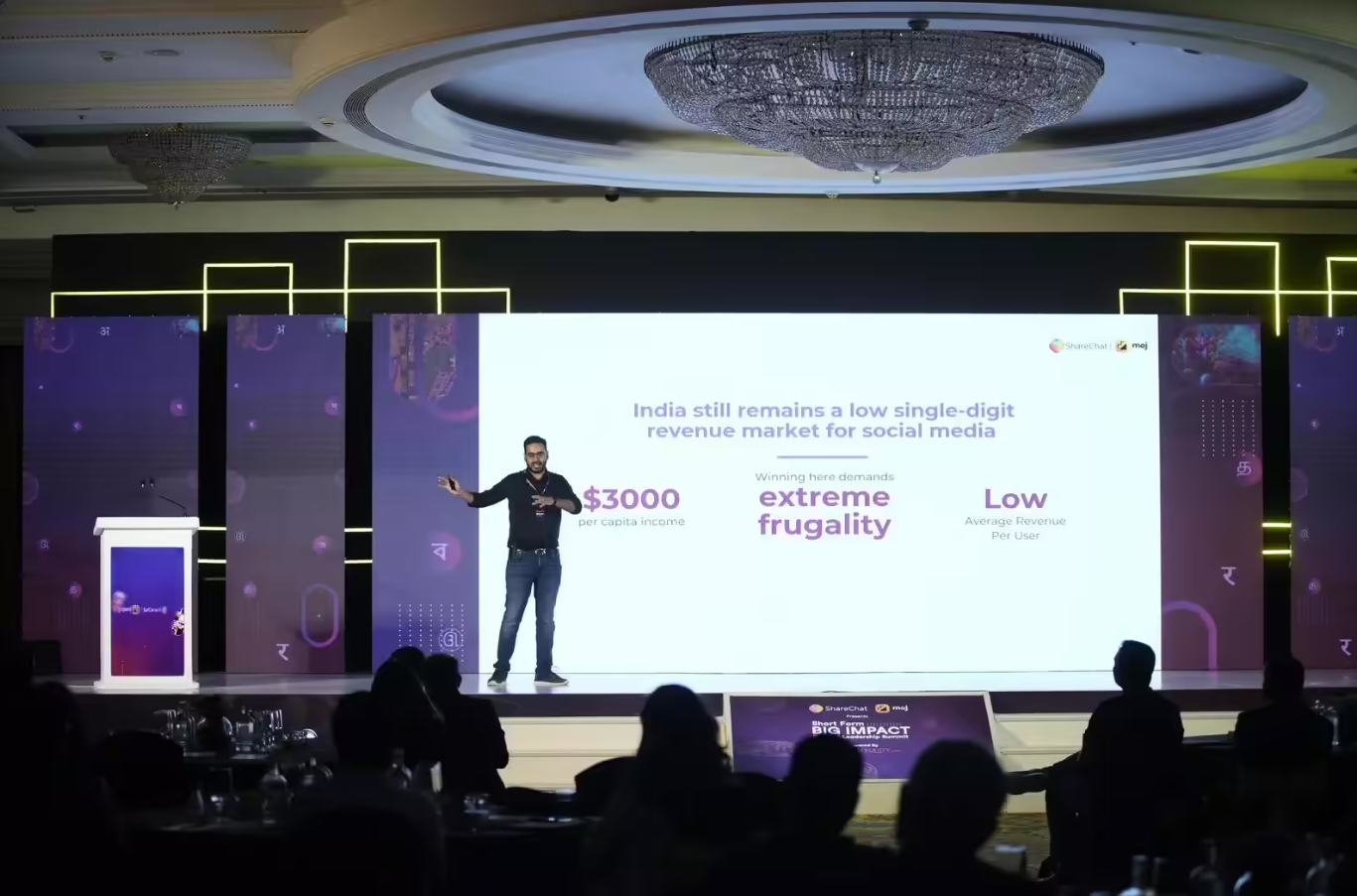
The Indian social media giant ShareChat & Moj organized the second “Small Format, Big Impact Leadership Summit 2025” Dialogue Forum in Mumbai, at which ShareChat & Moj, co-founder and CEO Ankush Sachdeva, officially announced the launch of a microtrip on ShareChat.

Ankush Sahdewa explains why the micro-short play has the potential to become a new media priority. He said: “In the past year alone, the income from micro-shorts in applied shops has increased fivefold. In China, the advertising revenues of the mini-short show have even surpassed those of the cinema, reaching a $7 billion mark. India currently ranks sixth in the world in the use of microsphere applications and is expected to grow tenfold in the Indian market by 2030.”
It further explored how AI moved from concept to practice and was at the heart of storytelling. According to Sahdewa, “AI is not just a popular concept; it is already shaping the way stories are created and consumed. From the programme content on ShareChat to India’s first fully-AI-driven mythology, we are witnessing how technology can reduce costs, spread the scale of creativity, and allow day-to-day creators and viewers access to formats that were previously unimaginable.”
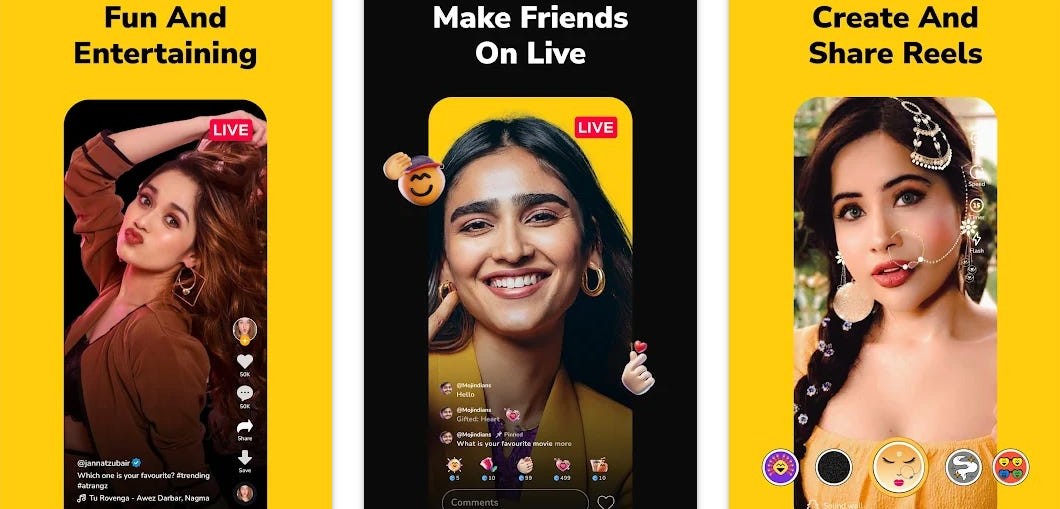
ShareChat and Moj have more than 200 million monthly variable users, and average user time is among the highest in Indian entertainment applications. According to Sahdewa, “by combining our distribution network with micro-synthesis and AI-driven content creation, we are laying the groundwork for bringing this new form of content into the national family”. He concluded: “The opportunity lies not only in the adoption of technology, but also in its integration into stories that can resonate with culture, thereby reaching out to audiences on a large scale and in a real way.”
Neil Gawde, Chief Operator of Schbang, Indian Creative Marketing and Technology Corporation, mentions that culture has always shaped consumer behaviour, and that today the creators are the ones who give life to culture. “3C – Culture, content and creators cannot operate independently. When brands are integrated into culture through real creator narratives, they gain not only visibility but also trust. This is the shift we are seeing: from radio transmission to creating meaning with the community.”
Rajiv Subramanian, Vice President of the Indian Manufacturing Company, Pidilite Marketing, added: “Creators are no longer mere influencers; they are the interpreters of everyday emotions that are often ignored by brands. Magic occurs when the content feels real and not in the light of the law. As audiences become more fragmented, brands need to empower creators to tell stories in their own way. When culture, content and creators are combined, you get more than just traffic, you create connections that can be transmitted across communities.”
The shift of brands from one-time collaboration with creators to long-term brand-creator relationships marks an increasing influence of creators in building brand rights. “One-time activities are no longer enough. Culture is developing rapidly and creators are moving faster. That is why partnerships need to be long-term. When creators are seen as collaborators rather than contractors, they can bring about continued relevance. The real opportunity lies in co-creation of stories that can adapt to cultural change, and in the fact that brand narratives remain real and meaningful over time.”
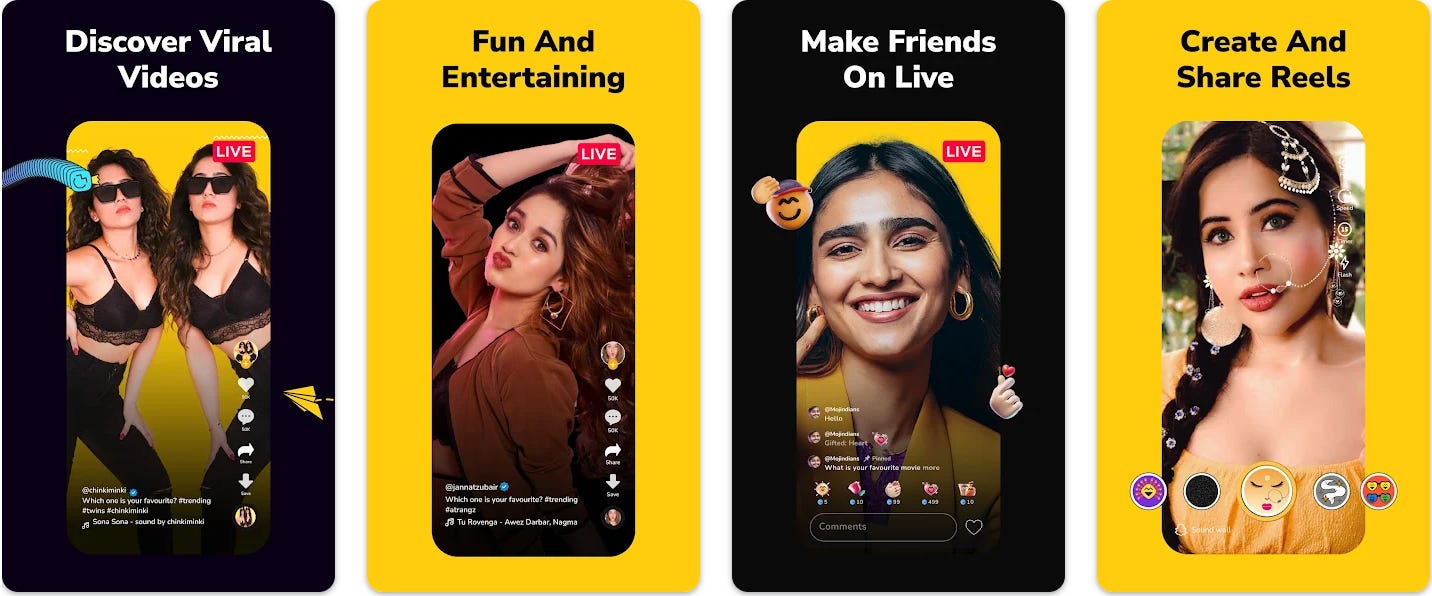
Today, brands also recognize the importance of using language-priority strategies to interact with audiences. They continue to work with regional creators, as this facilitates the integration of brands into the micro-delements and celebrations of consumers. ShareChat & Moj continues to empower brands to interact with audiences through its 150,000 regional creators.
DVIO founder Sowmya further added: “Culture does not exist on the board. It is in the living room, whatsaPP group, mobile screens and daily conversations. That is why the economy of creators is no longer an option. The challenge for brands is not to control stories, but to be part of them. When you trust creators to shape narratives in a way that the audience understands, you are no longer an outside observer, but part of culture itself.”
Cultural relevance is no longer an accessory to marketing, but a necessary business requirement. Brands that are committed to true narratives and that are dominated by creators are more likely to earn trust and long-term interaction. The Vice President of SUGAR Cosmetics Marketing, Naveen Murali, concluded: “Now, branding is woven into cultural structures through AI-driven storytelling, real creator partnerships and deep respect for consumer situations. This is not just marketing; it is cultural cooperation on a large scale.”
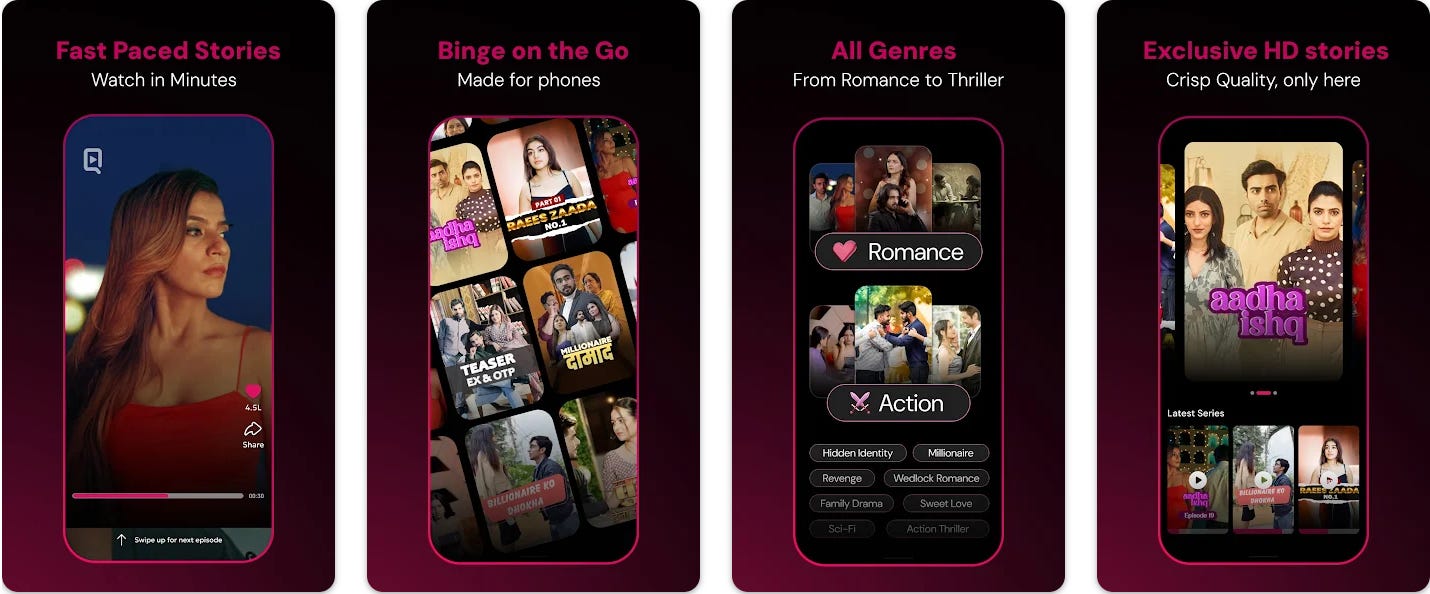
The summit highlighted a key shift in India’s content and marketing landscape: In an increasingly fragmented digital world, technology, culture and creativity intersect to capture consumer attention. With the micro-short play becoming a powerful narrative and the creators shaping cultural narratives, brands have the opportunity to move beyond the action level and build deeper and more genuine links with audiences.