
The jury ruled that Meta and YouTube were guilty of social media addiction.
On Wednesday, a jury in Los Angeles found that the tech giant Meta and YouTube under Google had failed to warn users of the dangers associated with the use of its platform. This decision may have far-reaching implications for the entire social media industry. The case was heard in the Los Angeles High Court at the end of January. A young woman named K.G.M. or Kaley charged that she was addicted to Instagram and YouTube as children. The jury began its deliberations on 13 March and finally ruled in favour of the plaintiff, finding that the faults of Meta and YouTube were “significant factors” causing damage to his mental health.
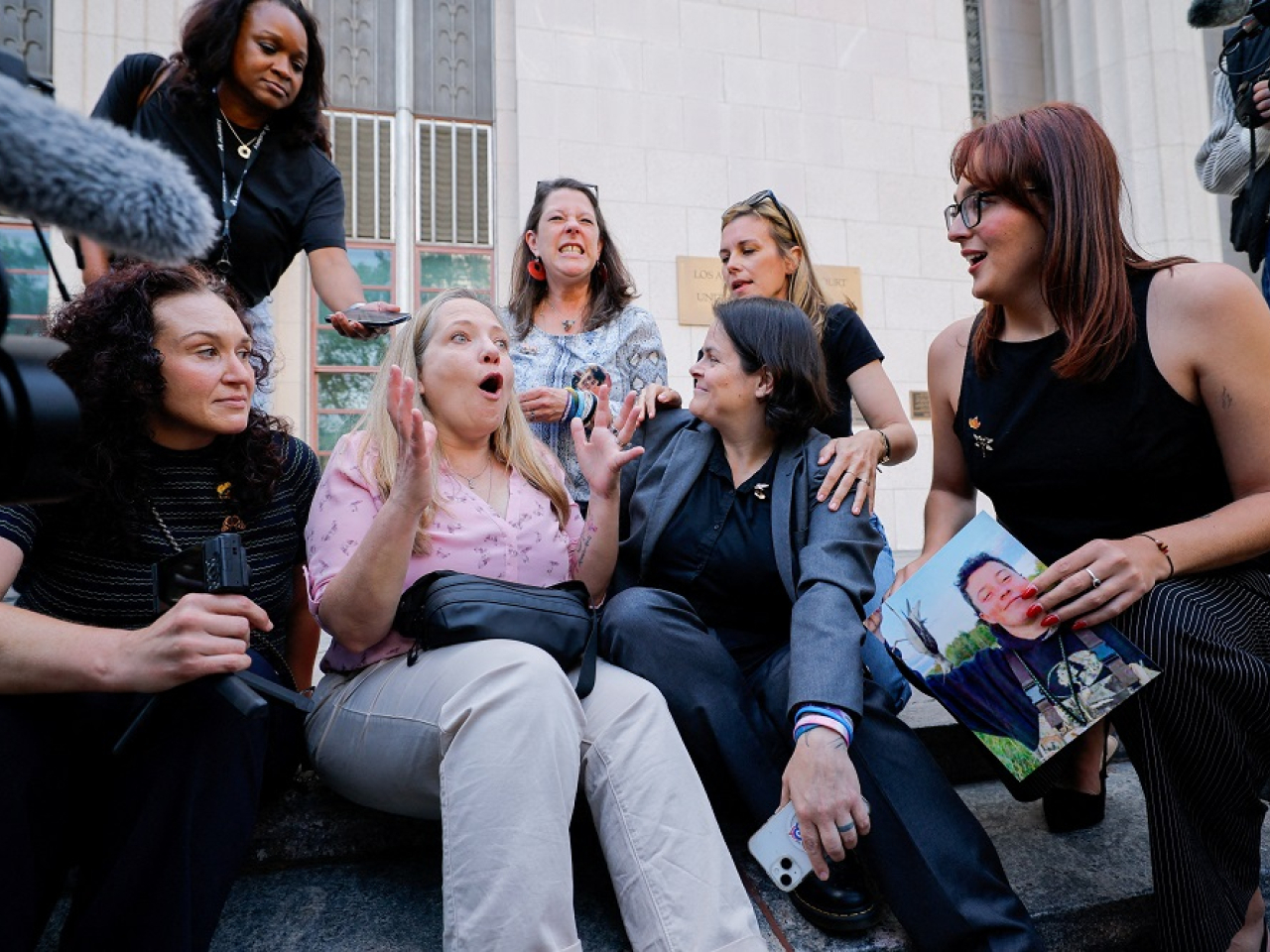
The jury awarded $3 million in compensatory damages, Meta 70 per cent and YouTube 30 per cent. Punitive damages also amounted to $3 million, of which Meta paid $2.1 million and YouTube $0.9 million. Counsel for the plaintiff issued a statement after the judgement stating: “The sentence today is a historic moment for the victims and for thousands of children and families who have been waiting for it. She showed extraordinary courage in bringing the case up and telling her story in open court. A jury of her peers heard the evidence, learned about the time and content of Meta and YouTube and held them responsible for their actions.” Meta’s spokesperson stated: “We respect and do not agree with this decision and are assessing our legal options”. The Google spokesperson also said: “We do not agree with this judgement and plan to appeal. The case misconstrues YouTube, which is a responsiblely constructed streaming media platform rather than a social networking site.” This case is one of several trials that experts described as the “Big Tobacco” moment in the social media industry, and is comparable to the billions of dollars ordered by tobacco companies in the 1990s to pay compensation for falsely informing the public about product safety and potential harm.
On Tuesday, the United States New Mexico jury found that Meta had deliberately violated the State ‘ s unfair conduct laws. Previously, the State Attorney General had accused the company of failing to adequately protect its applications from cyber-violence against children. Meta was ordered to pay $375 million based on the number of violations. The company indicated that it would appeal the case. In a six-week trial in Los Angeles, jurors were required to determine whether Meta and YouTube had used specific design features such as recommended algorithms and automatic play in their application, resulting in serious psychological distress for the plaintiff. The complainant claimed that, as a result of the near-continuing use of those applications and the constant notification she received, she was unable to escape, resulting in severe deformations, depression and suicidal thoughts. Meta and YouTube denied the plaintiffs ‘ allegations and stated that they took safety and health issues seriously and had performed functions aimed at minimizing potential harm. Counsel for the two companies claimed that the complainant ‘ s mental health problems arose from her turbulent childhood and related family problems, and that she only used these services as a way of coping with trauma. In the summer, the Federal Court for the Northern District of California will hear a similar joint action, with the plaintiffs being school districts and parents from all over the United States. They claim that the application of Meta, YouTube, TikTok and Snap has exacerbated the mental health damage to young users. The central legal strategy of the prosecutor and plaintiff lawyers was to focus on the use of so-called “design defects” in Instagram and YouTube, rather than on specific content, to counter the company’s argument that they should not be held responsible for certain third-party content on their platforms under article 230, which protects Internet speech. At the trial in Los Angeles, several senior officials testified, including Mark Zuckerberg, Chief Executive Officer of Meta, Adam Moseri, head of Instagram, and Christos Goodro, Vice-President of YouTube Works.
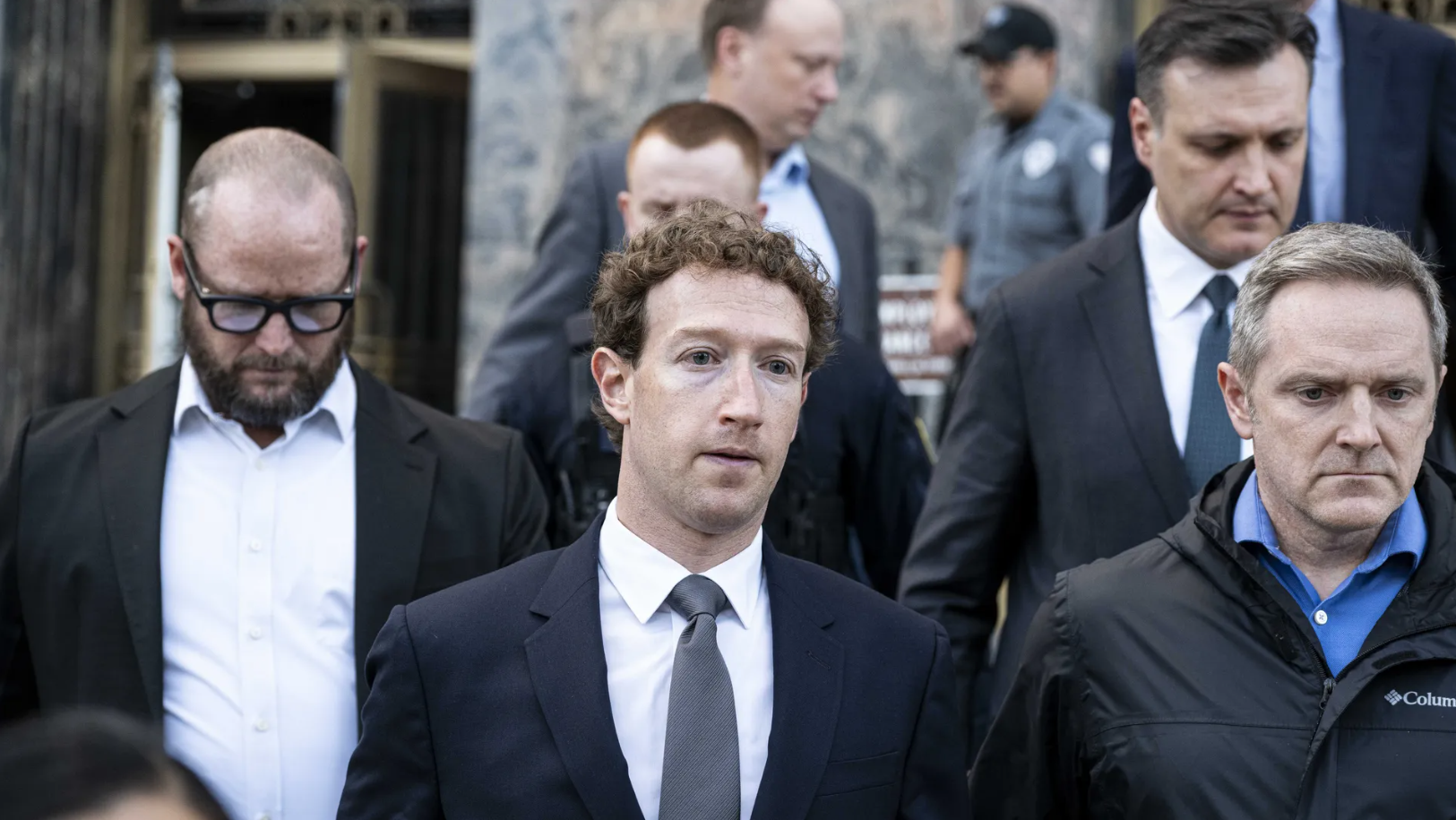
Last month, Mosiseri rejected the claim that social media addiction was “problematic”. Zuckerberg subsequently testified that he had contacted Apple CEO Cook to discuss the well-being of adolescents and children and explained to the jury the company ‘ s decision-making process on matters such as the promotion of beauty filters. In his testimony, Goodro stated that YouTube “is not designed to maximize user time”. The closing arguments were presented by the respective counsel approximately two weeks ago.

Related Posts
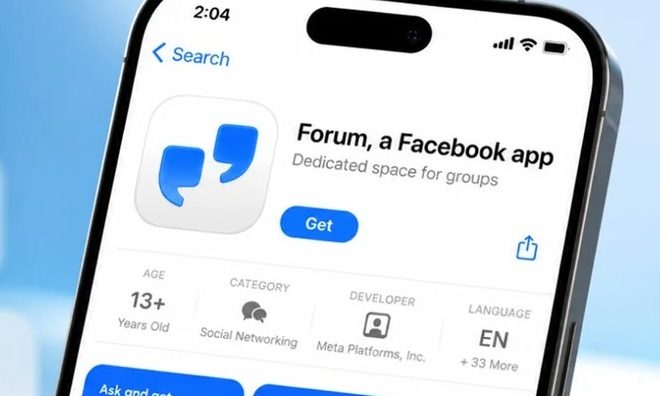
Meta secretly published Forum, an application designed for Facebook groups

Forty-one percent of the players buy a host to play their own game.