YouTube is on line with the new AI Age Certification System!
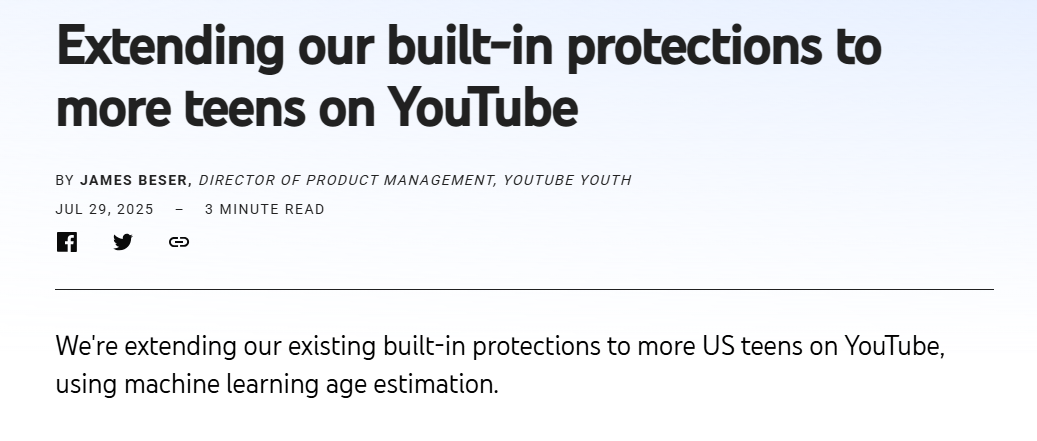
YouTube announced that a new AI-driven age certification system would be introduced in the United States from 13 August 2025 to determine whether the user is an adult or a minor by analysing his visual habits. This initiative is aimed at strengthening the protection of young users, in line with increasingly stringent regulatory requirements.
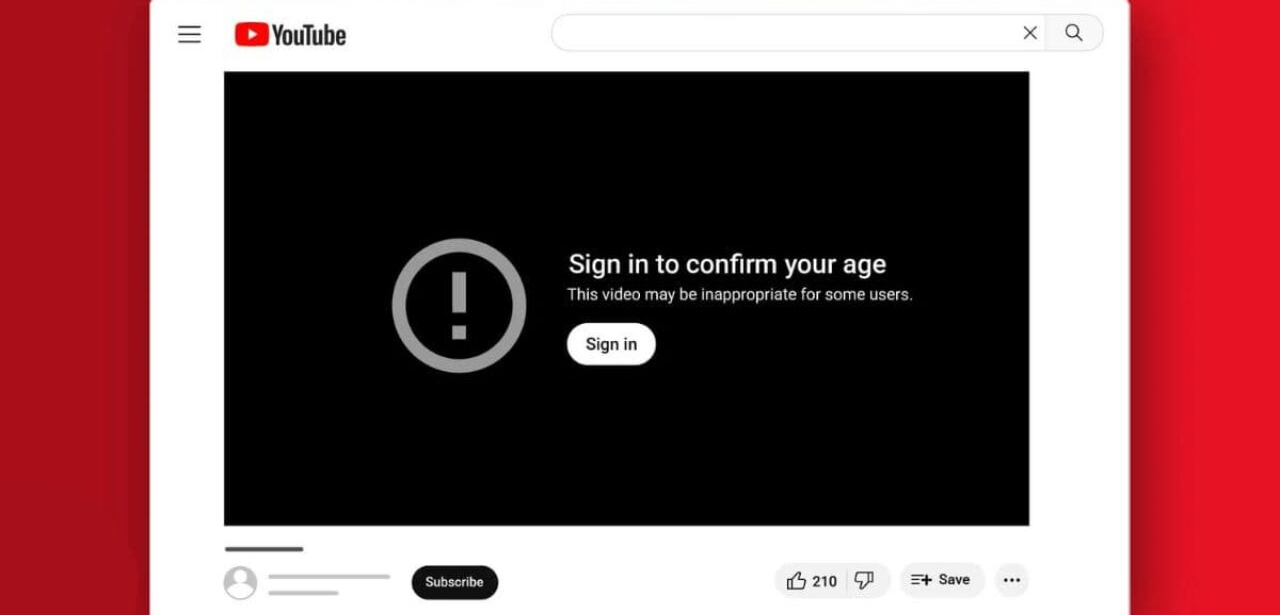
YouTube refers to the system as the “age estimation model”, which uses AI learning techniques, based on behavioural signals such as user visual habits, search logs, account length, etc., to speculate whether the user is 18 years of age or older and ignores the birthday information entered at the time of registration. For log-in accounts only, non-logged-in users will be automatically limited to partial content access, requiring additional age verification.
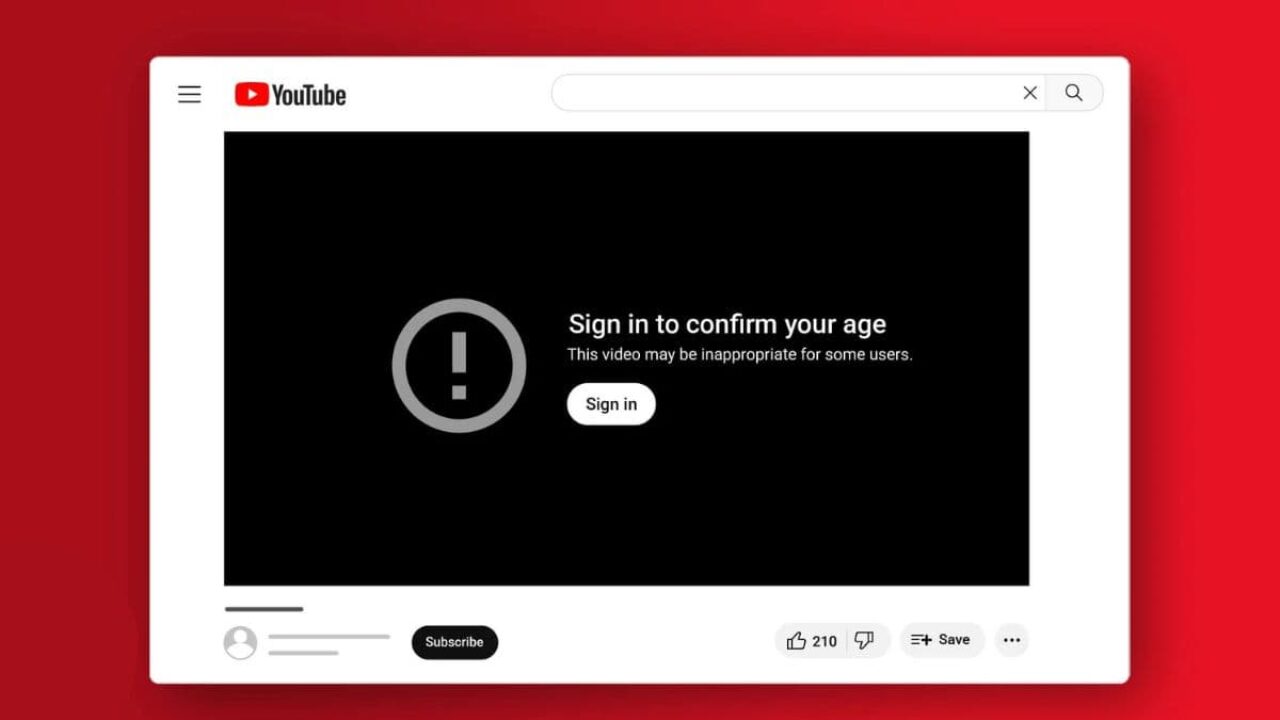
If the user is determined by AI to be under the age of 18, the existing youth protection measures will be automatically activated by YouTube. These include: displaying non-personalized advertising and banning individualized advertising based on tracking; defaulting to open digital health functions such as “rest alerts” and “bedtime alerts”; displaying privacy warnings when uploading videos or public comments; reducing references that may not be suitable for viewing youth over the age of 18; limiting access to videos marked as having age limits.
Although the AI model circumvents the age limit entered by the player, if the user is miscalculated as a minor, age verification may be performed by submitting a government-issued identity card, credit card information or self-photography to restore full content access and personalization.
The system initially covered only part of the users and, if tested successfully, YouTube could expand it to more users and even to the global market. Previously, similar technologies had been piloted in the United Kingdom, Australia and other regions, with high accuracy.

This responds to the United States regulatory requirements for child online safety, in particular the stricter compliance pressure on the platform following the United States Supreme Court ‘ s endorsement of a Texas law to prevent minors from accessing pornography at the end of June 2025. The new YouTube system aims to ensure that adolescents are not affected by inappropriate content, while avoiding violations of legislation such as the Child Online Privacy Protection Act (COPPA).
In a blog published last month, James Beser, the senior director of youth product management in YouTube, described the plan in detail, saying: “Youtube was one of the first platforms to design exclusive experiences for adolescents, and our aim is to give users of all ages the experience and protection they deserve. We are proud to again spearhead technological innovation, which enables us to provide security while protecting the privacy of adolescents. Families trust YouTube to provide a safe and rich experience, and we will continue to invest in their online security.”
It goes without saying that a number of users are already dissatisfied with this, fearing that their accounts will be manipulated by a little-supervised AI process. Some users believe that age speculation based on visual habits can lead to miscalculation. For example, an adult who sees the content of the item may be wrongly marked as a minor and must submit sensitive information (such as an identity card or credit card) to complain. This may “redefinition of digital access and privacy” and would end the anonymity of the network.
In addition, video uploads of accounts marked as minors will be set by default as private and income from gifts cannot be obtained through live vertical broadcasting. As young viewers can only see non-personalized advertising, there may be a slight decline in the income of creators. YouTube is expected to have limited impact and plans to update YouTube Analytics to reflect AI age projection data.