The financial science and technology and the gaming industry face tax changes: the Brazilian Government promotes differential taxation New G.
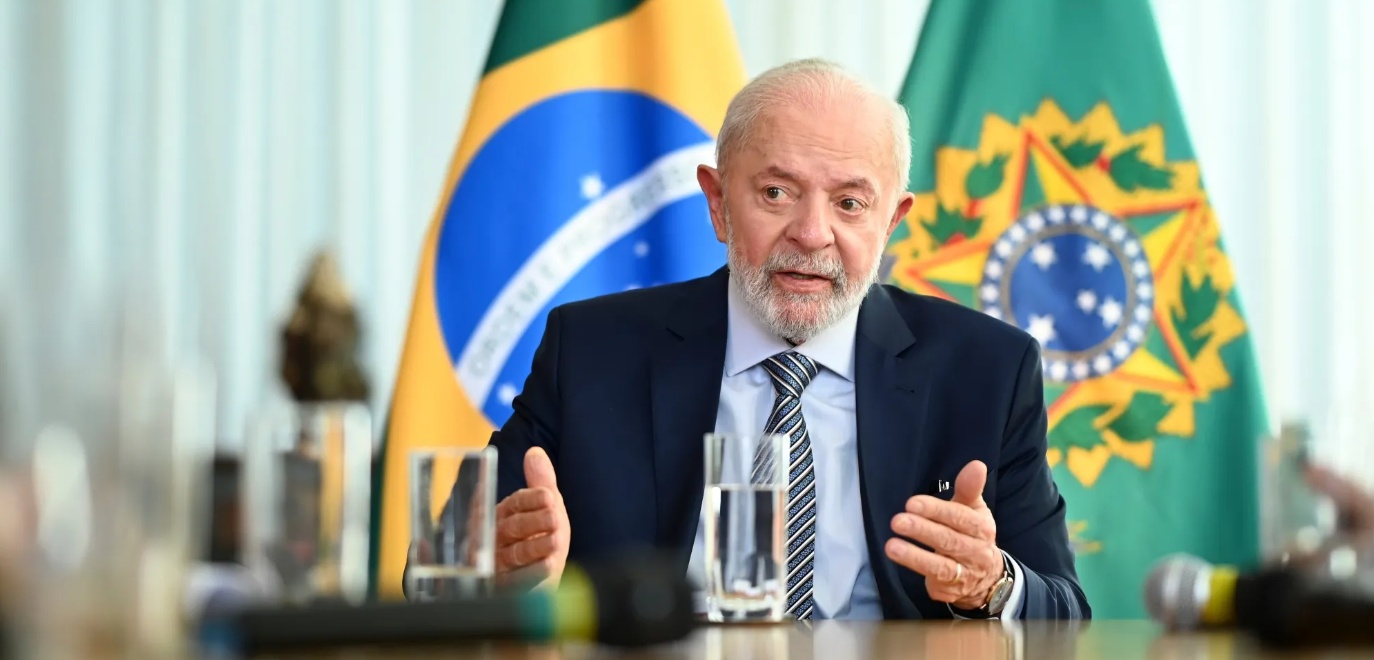
The President of Brazil, Luiz Inácio Lula da Silva, has reiterated the Government ‘ s plan to increase the tax levied on financial science and technology companies and lottery companies. The Ministry of Finance has been instructed to resume the relevant fiscal measures, a move confirmed by the meeting of leaders of the Government and Congress on Monday, 20 November.
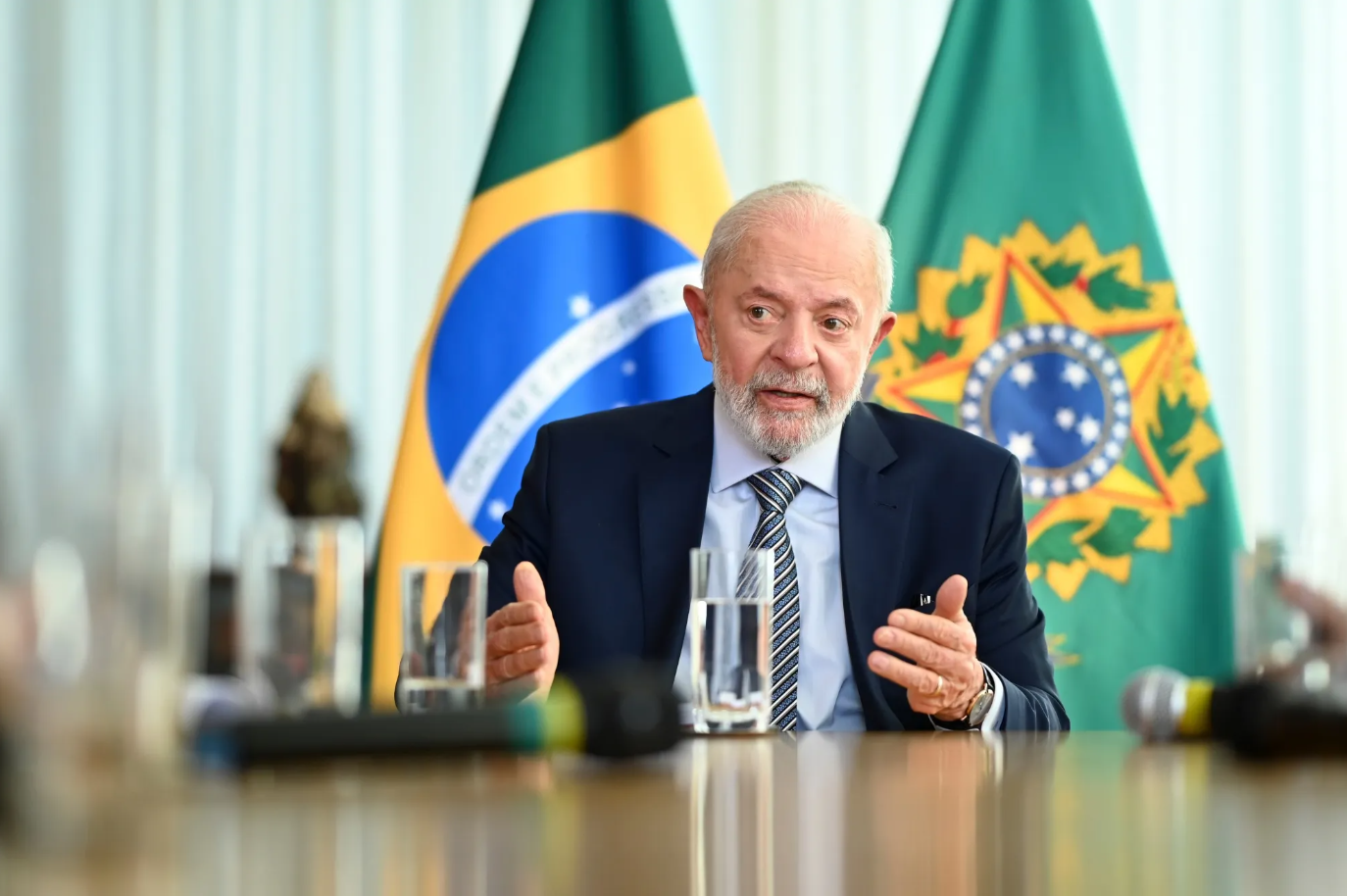
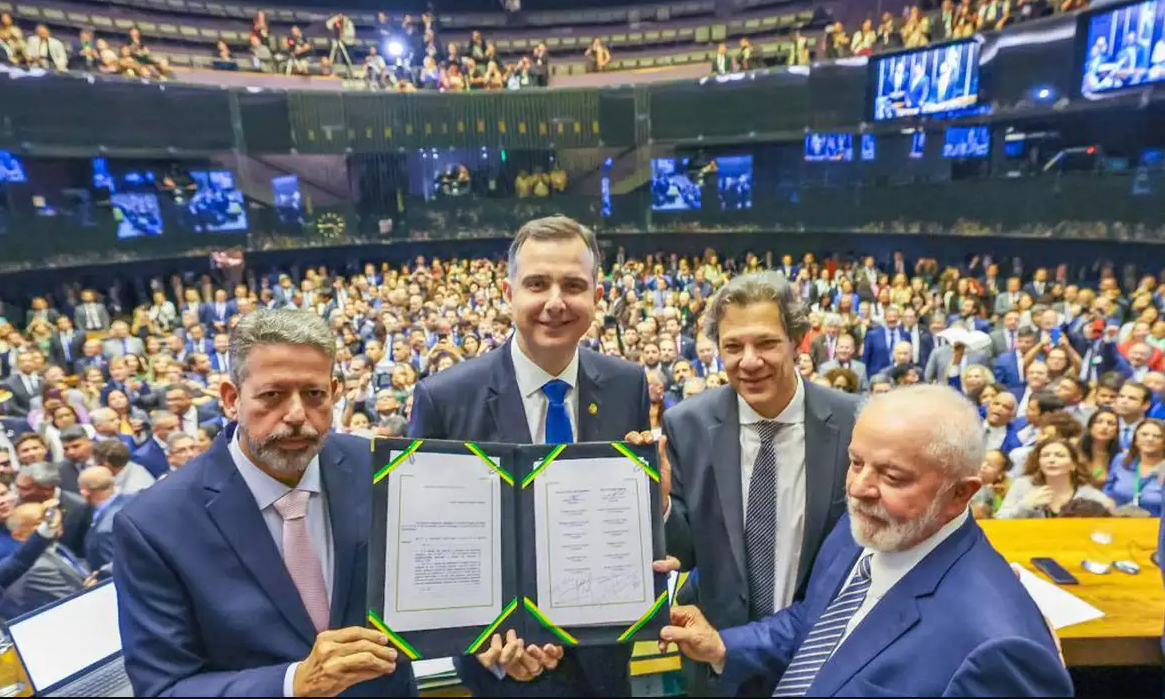
The leader of the Congress of the ruling party coalition stated that the Lula Government would clearly pursue its policy of increasing taxes on lottery companies and financial technology enterprises. “The Government will demand a tax on lottery institutions and banks,” Randolph stated after the meeting. The meeting, which was attended by the Minister of Finance, Fernando Haddad, the Minister of Institutional Relations, Gracie Hoffmann, and several legislative leaders, was held prior to the President ‘ s visit to Indonesia. During the meeting, the President promoted the harmonization of fiscal policies through differentiated taxation while maintaining the political line of public expenditure restrictions. Previously, temporary measure No. 1303, aimed at increasing the net profits of some financial institutions, the Social Contribution Tax (CSLL), had not been adopted in the House of Representatives and had no legal effect. The proposal to reduce the CSL rate for payment agencies from 15 per cent to 9 per cent, the financial companies from 20 per cent to 15 per cent (on the same basis as ordinary banks) and the gaming company tax scheme from 12 per cent to 18 per cent highlight the Government ‘ s intention to balance the tax burden of enterprises with digital economic gains.
It is surprising that the Government has designated the lottery website tax as a public health issue. Randolph Rodríguez emphasized that this is not just a matter of fiscal revenue: “It is not about raising taxes, but about public health. There must be a tax on practices that endanger the health of the population, such as gambling, and we will even discuss the possibility of imposing a ban.” This statement reflects the increased concern of the Federal Government about the social impact of gambling addiction and the financial distress of vulnerable groups. The Government has not yet established a specific legislative process for the reopening of tax proposals. Randolph indicated that he might move forward by submitting a bill to the new Government or by re-establishing the current proposal in Congress. “We continue to adjust our strategy, which may be achieved through a Government proposal or an pending bill in Congress. However, in the case of the Lottery Company, the Government is fully committed to taking all necessary measures.” In addition to the resumption of tax collection, President Lula has instructed the Ministry of Finance to move forward with the spending reduction plan, although these measures may be dealt with separately. “We will distinguish between spending-related measures and tax measures, which will help to clarify the policy to the Brazilian population,” Randolph stated.
The renewed interest of the Government in the taxation of lottery reflects both the economic considerations of balanced fiscal performance and the determination to respond to public health problems caused by the rapid growth of the online lottery sector. As the issue returns to Congress, the Government ‘ s ability to govern will determine the pace at which these changes will take effect and its rejuvenation of the country ‘ s financial and gambling regulatory system.

Related Posts

Forty-one percent of the players buy a host to play their own game.

The jury ruled that Meta and YouTube were guilty of social media addiction.